Martial Arts
With so many martial arts styles available, choosing the right one for your child can feel overwhelming. Here's a clear comparison to help you decide.
When parents decide to enroll their child in martial arts, the next question is almost always: which one? With karate, taekwondo, judo, Brazilian jiu-jitsu, and more all available in the Austin area, the choice can feel overwhelming. This guide breaks down the key differences to help you make an informed decision.
Karate is the most widely available martial art for children and for good reason. It provides a comprehensive foundation in striking techniques (punches, kicks, blocks), kata (structured forms), and self-defense. The belt progression system gives children clear, achievable goals. Karate's emphasis on discipline, respect, and character development makes it particularly well-suited for younger children (ages 5–10) who are still developing self-regulation skills. It is also the most accessible in terms of cost and class availability.
Taekwondo is a Korean martial art that emphasizes high, fast kicks and jumping techniques. It is an Olympic sport, which appeals to children with competitive aspirations. Taekwondo is excellent for developing flexibility, coordination, and athleticism. However, its heavy emphasis on kicking can make it less practical for self-defense in real situations, and the sport-competition focus may not suit children who are more interested in personal development than competition.
Judo is a grappling art focused on throws, takedowns, and ground control. It is also an Olympic sport and is excellent for developing physical strength, balance, and spatial awareness. Judo is a good choice for children who enjoy physical contact and wrestling-style play. However, it requires a padded mat environment and is less widely available than karate or taekwondo.
BJJ has surged in popularity over the past decade, driven largely by its effectiveness in mixed martial arts competition. It focuses almost entirely on ground fighting — submissions, escapes, and positional control. BJJ is highly effective for self-defense in real situations, particularly for smaller individuals. However, it has a steeper learning curve for young children, and the absence of a traditional character development curriculum means the life-skills benefits depend heavily on the individual school's culture.
Ultimately, the best martial art for your child is the one they enjoy and will stick with. The benefits of any martial art — discipline, fitness, confidence — only accumulate with consistent practice over months and years. Visit a class, let your child try it, and let their enthusiasm guide the decision.
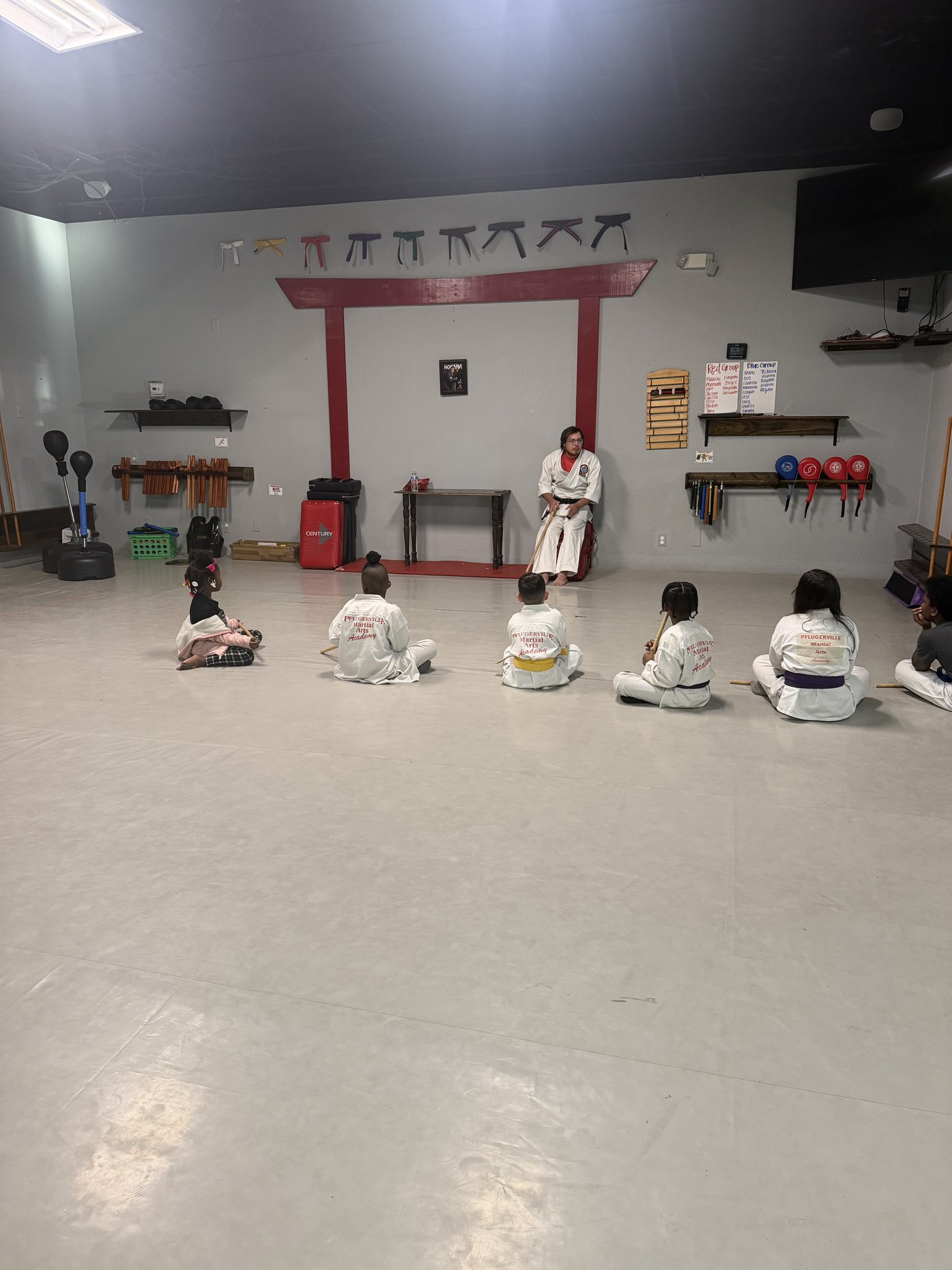
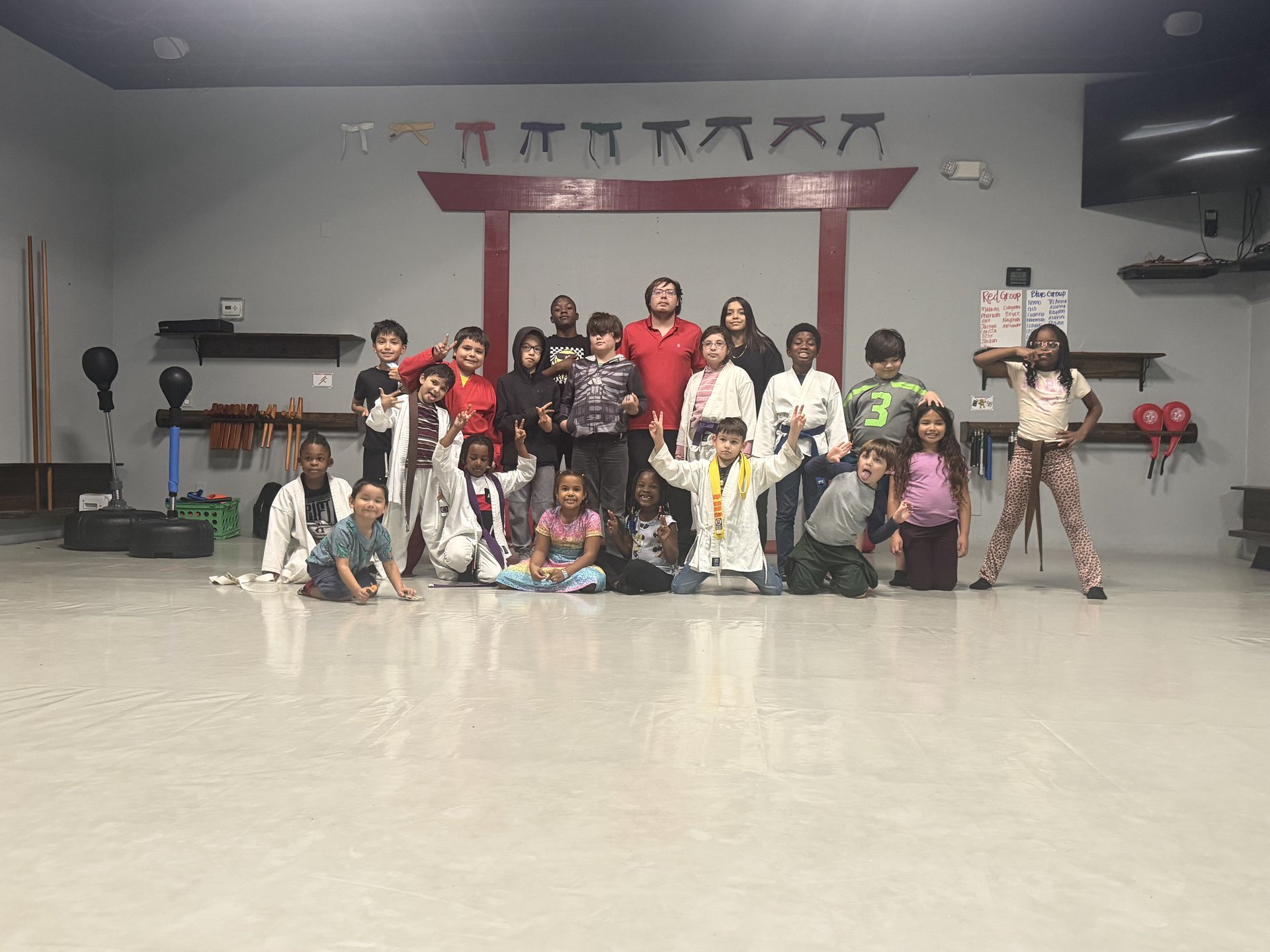
PMAA teaches traditional karate in a structured, character-focused environment. We offer a free introductory class so your child can experience it before committing.
See our programs in person — schedule a free tour at PMAA.
Try a Free Karate Class at PMAA