Martial Arts
Most parents enroll their children in martial arts for self-defense. But the real benefits run much deeper — from improved academic performance to lifelong emotional resilience.
Most parents enroll their children in martial arts for self-defense. But the real benefits run much deeper — from improved academic performance to lifelong emotional resilience. At Pflugerville Martial Arts Academy, we see these transformations every single week.
Unlike team sports where a child's contribution can be hidden, martial arts is deeply personal. Every technique mastered, every belt earned, is a direct result of that child's own effort. This creates a specific kind of confidence — one grounded in real competence rather than empty praise. Children who train consistently begin to carry themselves differently, both on and off the mat.
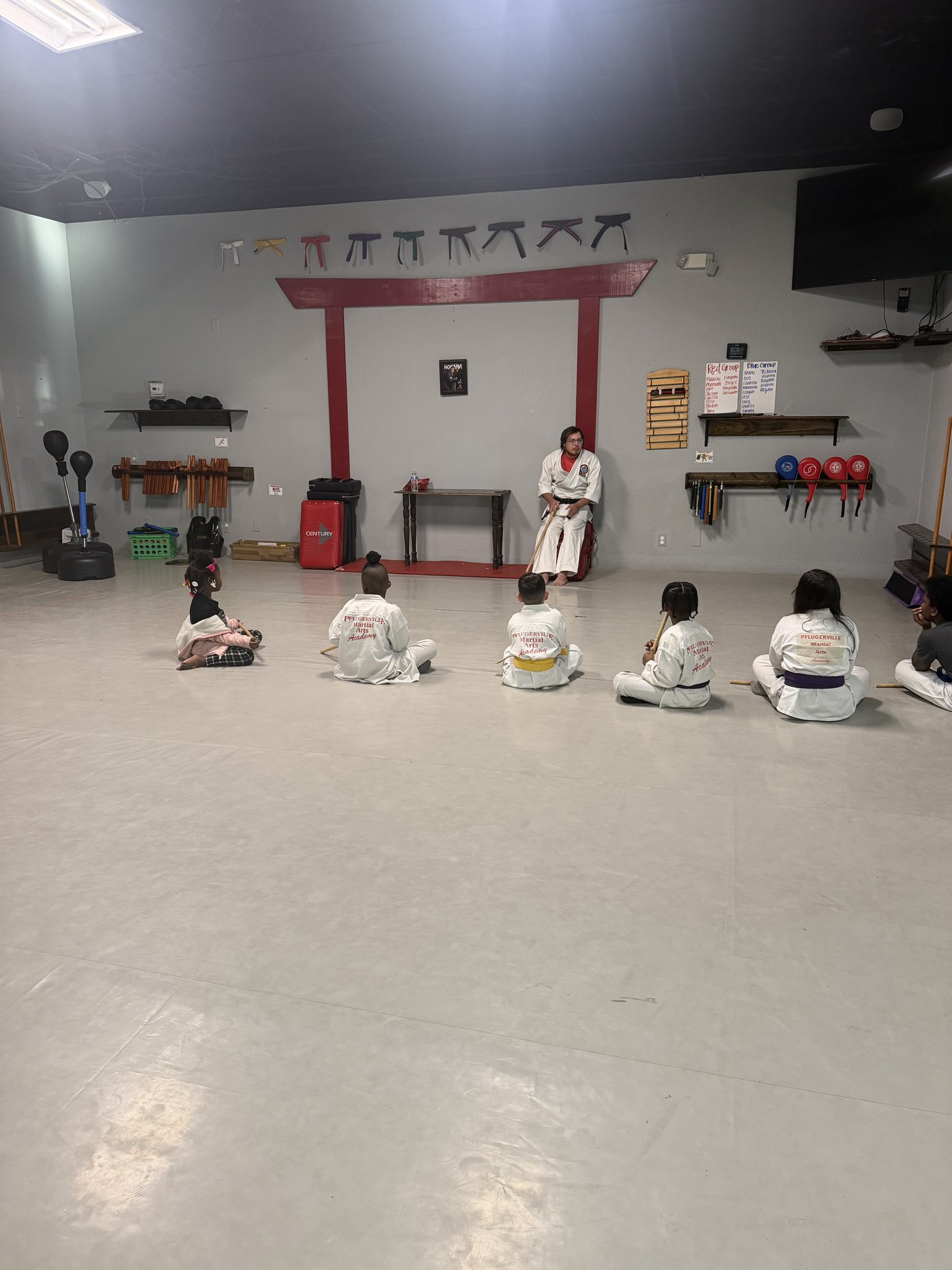
A karate class demands sustained attention. Students must listen carefully to instructions, observe demonstrations, and execute precise movements. For children who struggle with focus — including many with ADHD — this structured, physically engaging environment can be far more effective than a classroom setting. Research published in the Journal of Attention Disorders found that martial arts training significantly improved attention and reduced hyperactivity in children with ADHD.
Martial arts is one of the few activities that deliberately teaches children how to manage frustration, control anger, and respond calmly under pressure. The dojo is a controlled environment where children experience challenge, failure, and recovery — all within a safe, supportive structure. Over time, these lessons transfer to everyday life: the child who once had meltdowns over homework begins to pause, breathe, and problem-solve.
Childhood obesity rates in Texas are among the highest in the nation. Martial arts provides a full-body workout that children actually enjoy. A typical karate class combines cardiovascular conditioning, strength training, flexibility work, and fine motor development — all disguised as fun. Children who train regularly develop better balance, coordination, and body awareness that benefits them in every other sport and physical activity.
The dojo has a clear code of conduct: bow when entering, address instructors formally, never use your skills to bully. These aren't arbitrary rules — they are a deliberate curriculum for character. Children who train in martial arts consistently score higher on measures of respect for authority and peer relationships. Parents regularly tell us that the change in their child's behavior at home is the most surprising and welcome outcome of training.
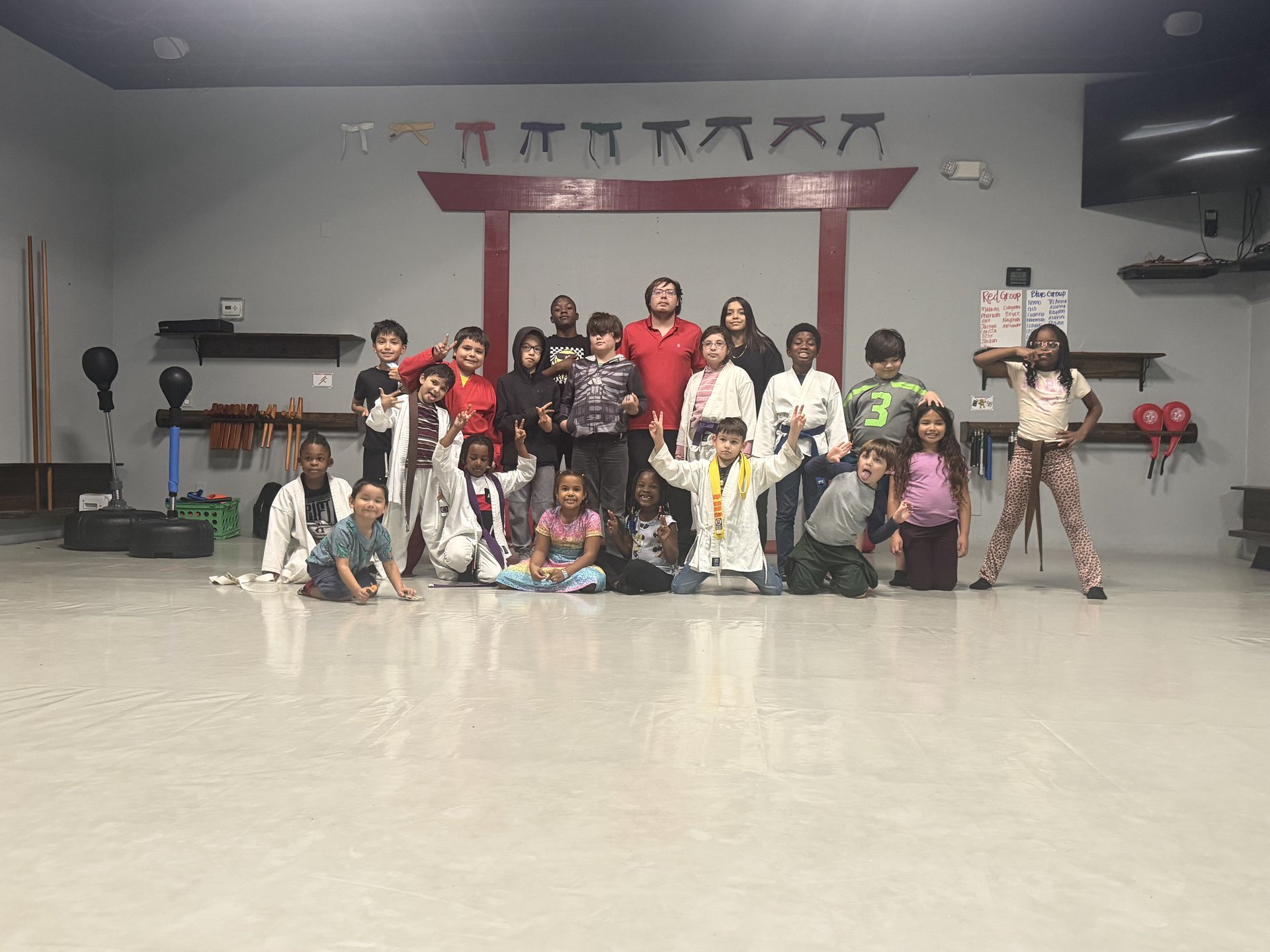
The martial arts community is uniquely inclusive. Students of all ages, backgrounds, and abilities train together, and more advanced students are expected to help beginners. This creates a culture of mentorship and belonging that is rare in children's activities. Many of our students at PMAA have formed friendships that extend well beyond the academy walls.
The belt system is one of martial arts' most powerful motivational tools. It gives children a concrete, visible goal to work toward — and a public recognition of their achievement when they reach it. This experience of setting a goal, working hard, and earning a reward is foundational to a growth mindset that serves children throughout their academic and professional lives.
At PMAA, karate training is included in our after-school program at no extra cost. Your child gets all seven of these benefits built into their daily routine.
See our programs in person — schedule a free tour at PMAA.
Try a Free Karate Class