Martial Arts
The homework battle is one of the most common sources of family stress. Here's how a structured after-school program can solve it — and why it works better than homework at home.
The homework battle is one of the most common sources of stress in families with school-age children. Children arrive home tired and resistant; parents arrive home from work tired and impatient. The result is conflict, tears, and homework that gets done badly or not at all. A structured after-school program can break this cycle entirely.
Research consistently shows that children are more academically productive in the two to three hours immediately following school than they are in the evening. Their minds are still in 'school mode,' the material is fresh, and they haven't yet had the mental reset that dinner and family time provide. After-school programs that schedule homework time immediately after arrival capitalize on this window.
The homework environment matters enormously. A quiet, structured space with adult supervision and access to help is far more conducive to productive work than a kitchen table with the TV on and siblings running around. After-school programs provide this environment as a matter of course — it's part of the daily structure, not an afterthought.
One of the most underappreciated benefits of after-school homework help is the emotional dynamic. When a parent helps with homework, the relationship between helper and child is loaded with expectations, frustration, and history. When a trusted adult at an after-school program helps, the dynamic is neutral and supportive. Children are often more willing to ask for help and admit confusion to a staff member than to a parent.
The goal of homework isn't just to complete tonight's assignment — it's to build the habit of independent study. After-school programs that structure homework time consistently, day after day, help children internalize a routine: arrive, have a snack, do homework, then enjoy enrichment activities. This routine, repeated hundreds of times over the school year, becomes a deeply embedded habit that serves children well into high school and beyond.
When homework is done before a child gets home, the entire evening changes. Dinner is relaxed. Bedtime isn't rushed. Parents and children can actually enjoy each other's company. This is not a small thing — the quality of family time in the evening hours has a measurable impact on children's emotional wellbeing and parent-child attachment.
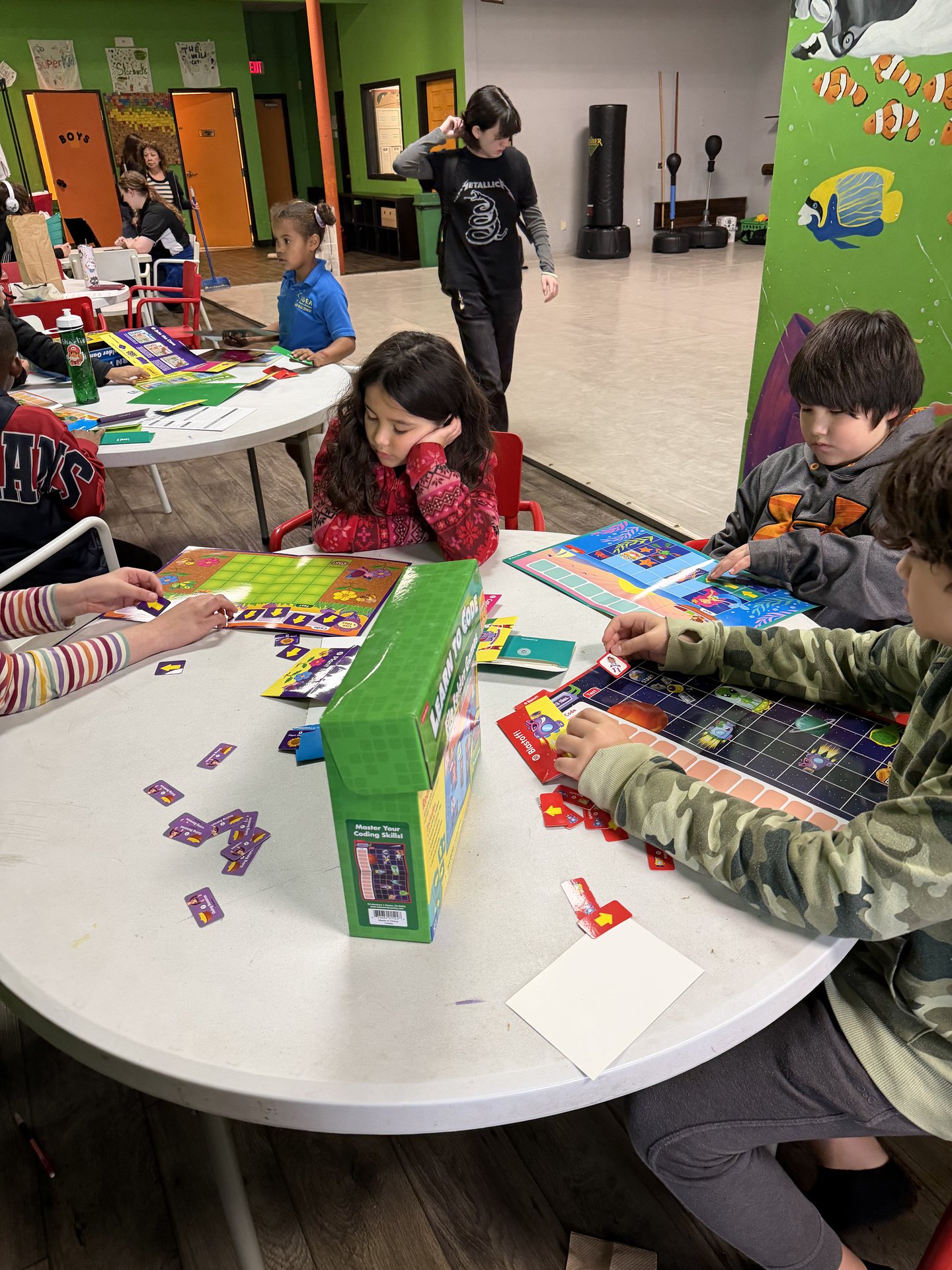
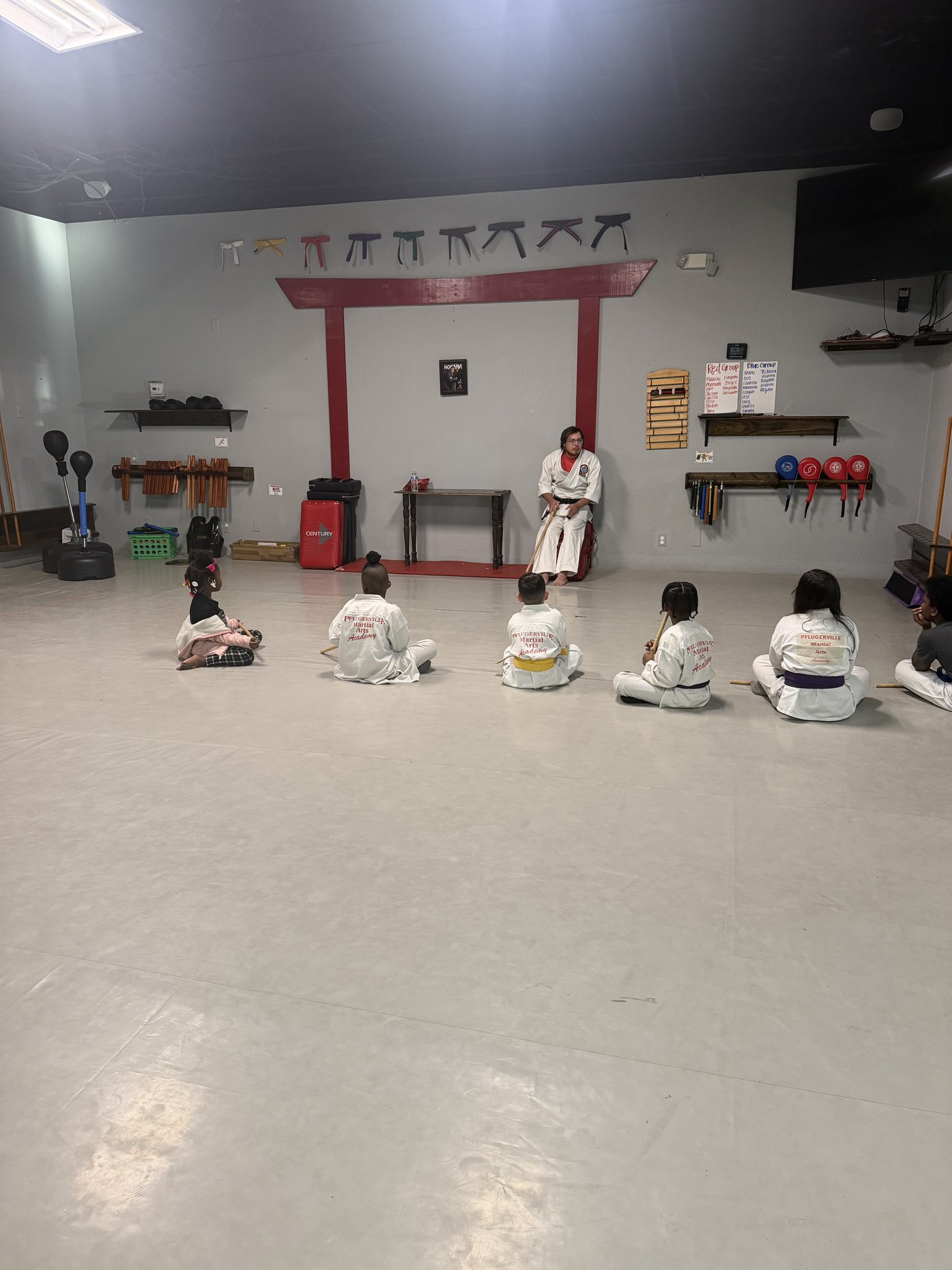
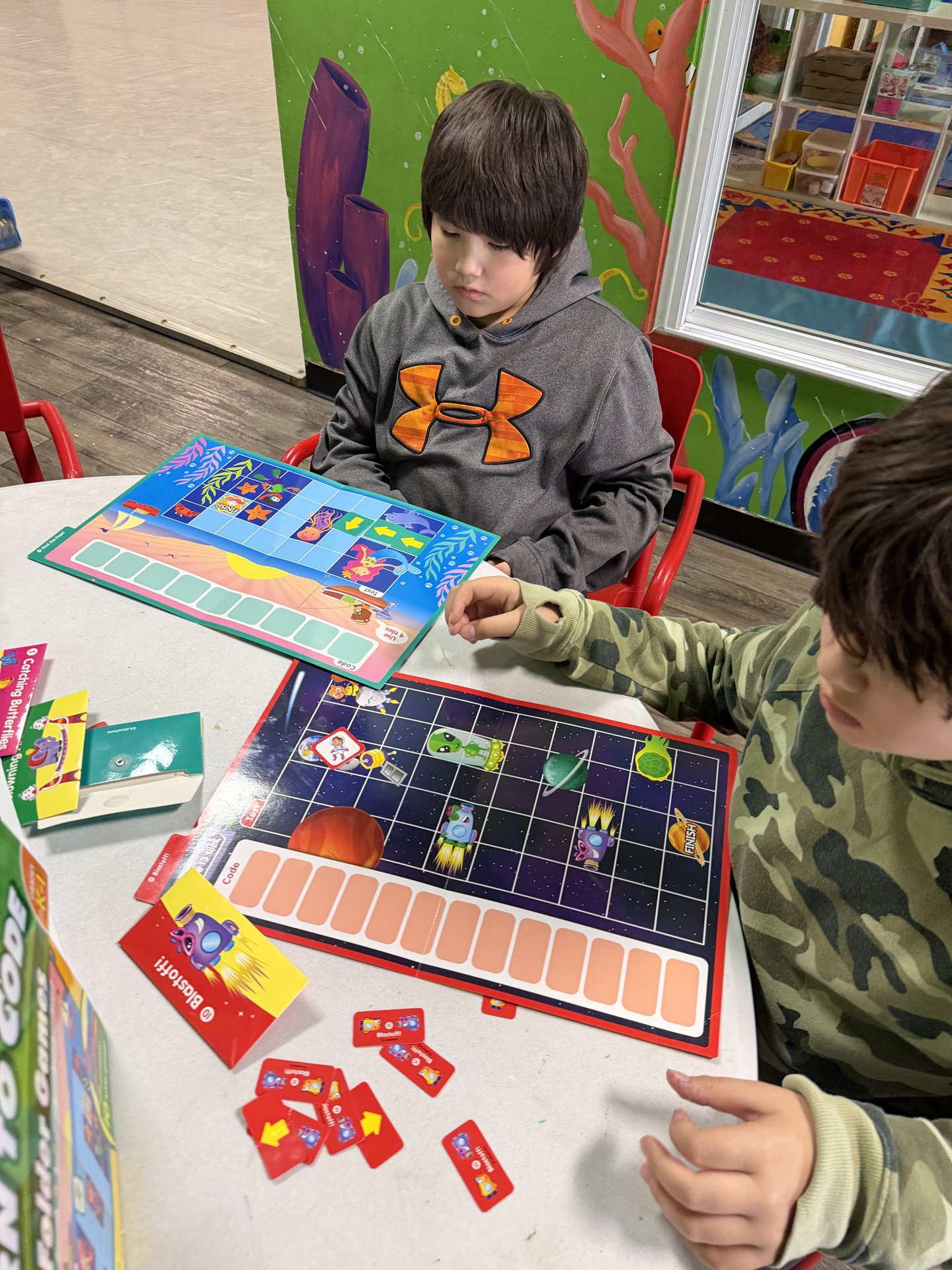
At PMAA, dedicated homework time is built into every after-school day. Children complete their assignments with staff support before moving on to karate training and enrichment activities — so evenings belong to your family.
See our programs in person — schedule a free tour at PMAA.
Enroll in Our After-School Program